ATTENTION SPORTS PARENTS:
Help Your Athlete Play With the Same Confidence They Have in Practice
The parent's playbook to build your athlete's mental game, without extra time or becoming their car-ride coach.
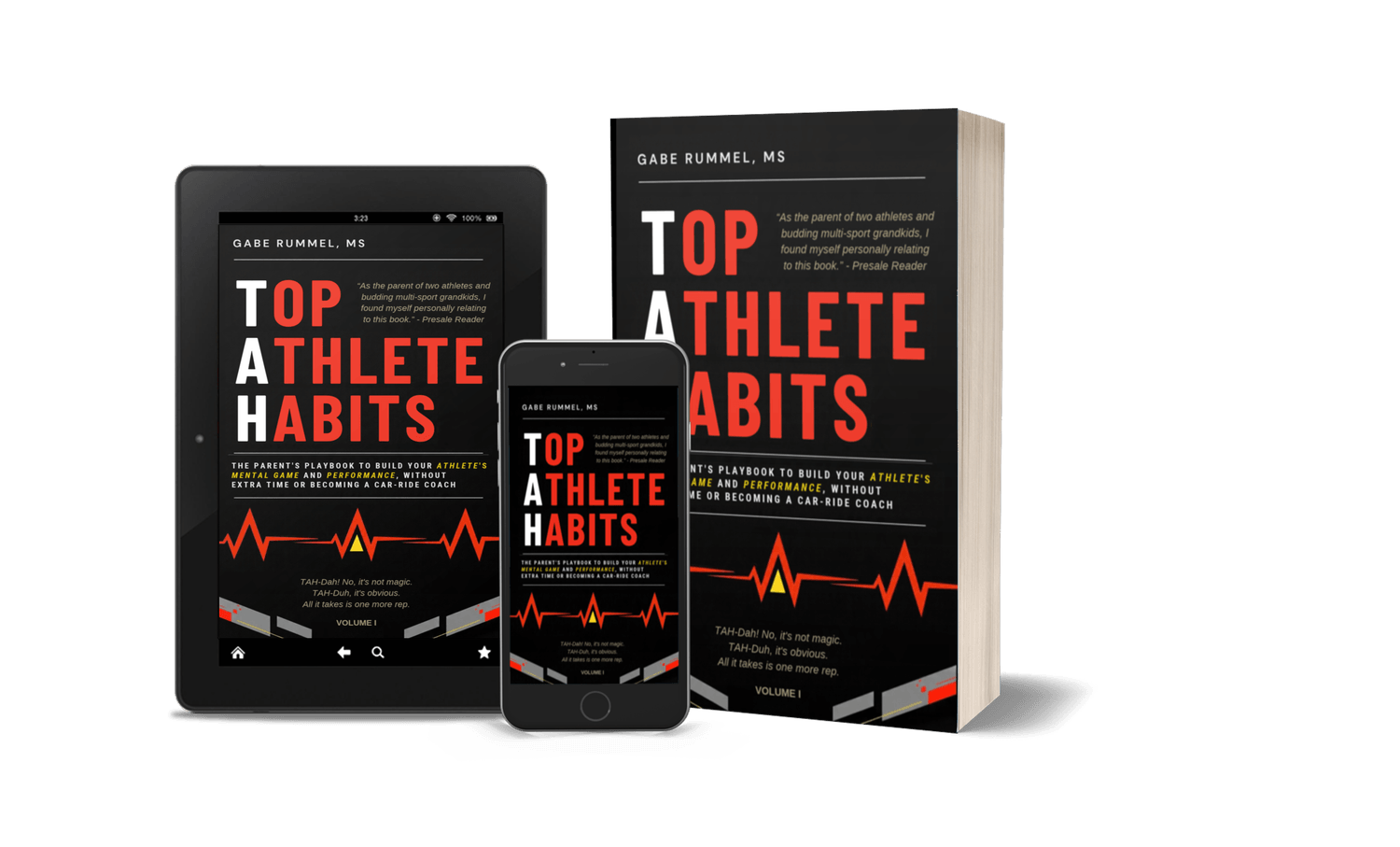
Top Athlete Habits by Gabe Rummel, MS
Only $5 (normally $17.99 on Amazon) • Instant digital access • Love it or your money back
Sports Grew Up Faster Than Our Kids
Welcome to youth sports in 2026.
- Families now spend more than $40 billion a year on youth sports.
- The average family spends about $1,016 a year on one child's main sport, up 46% in five years.
- A record 8.26 million students played high school sports last year, so every roster spot is harder to earn.
- 15-year-olds are getting showcase invites, watching commitment videos, and fielding NIL questions.
Look at everything we invest in for the body:
- Private lessons and skills trainers
- Club teams, travel, and showcases
- Strength, speed, and agility coaches
- Massage guns, red light, and ice baths
Your athlete trains their body six days a week. Their mind gets zero.
What Zero Looks Like
Every one of these is a real athlete we've trained:
- A sixth-grade golfer who looked like a natural on the range. On the course, one or two bad shots and the whole round was gone.
- A hitter who sprayed line drives in practice, then stepped into the box on game day with a hundred thoughts in his head.
- College commits and college players locking in their mental game for the next level of competition.
- A tall basketball player with all the height and bounce he needed, who was too scared to dunk.
- A freshman who made varsity volleyball, where every serve felt like the whole gym was rushing her.
- Families where the car ride home turned into a second practice.
- A starter who was already winning and getting noticed, looking for the next edge as college coaches started watching.
Some were stuck, and some were already at the top of their team. Every one of them had the physical talent, and the mental game is what carried them to the next step.
It isn't a talent problem, it's a training problem. Researchers pooled 35 studies of athletes. The ones who trained their mental game performed better than the ones who didn't, and the edge was still there weeks later (Brown & Fletcher, 2017).
Why I Do This
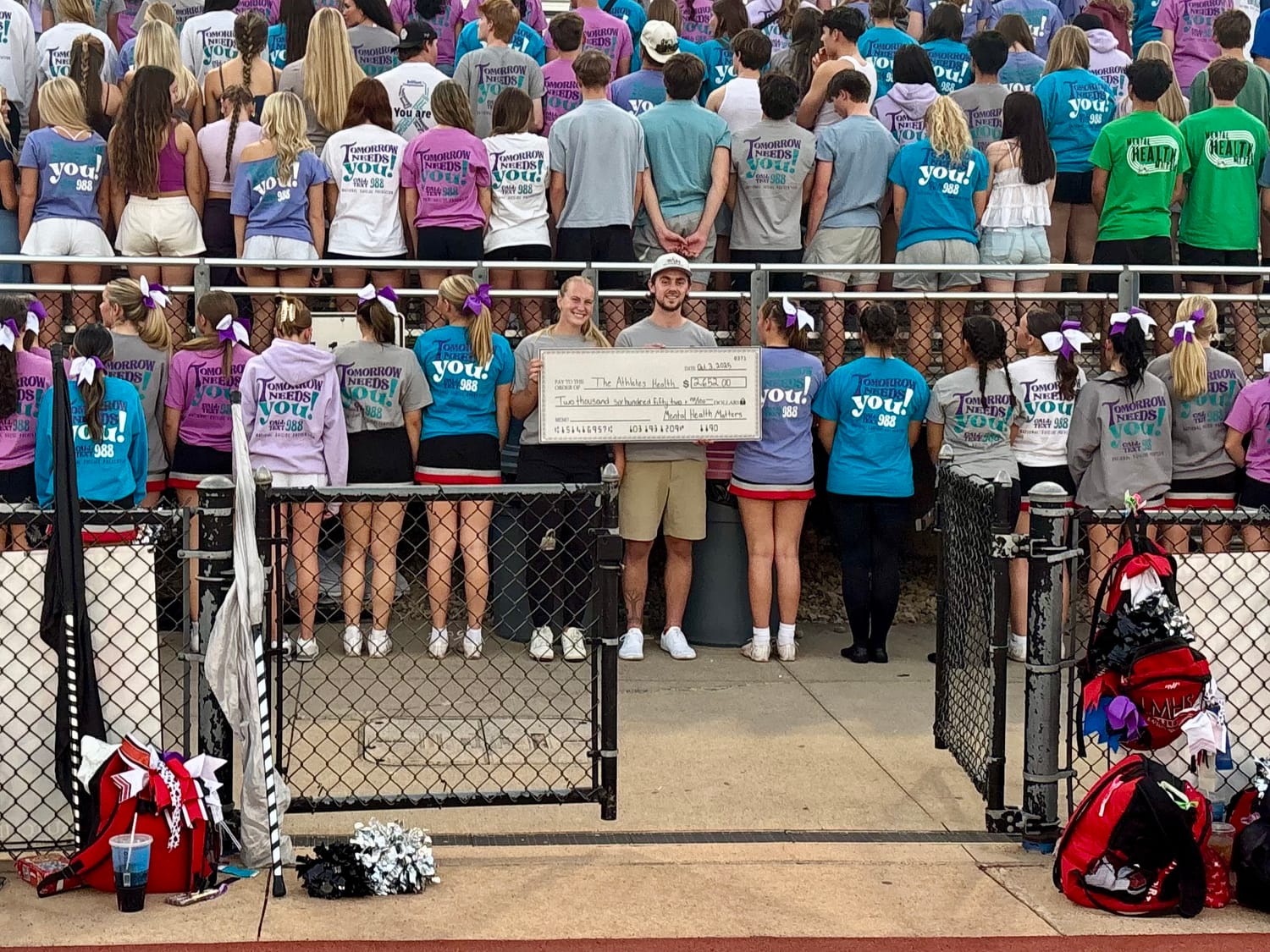
I was the skinny freshman who high jumped 5'2" and got laughed at for wanting to dunk. I trained every summer anyway. Sophomore year I jumped 5'4". Junior year I hit 5'6" on my very last jump of the season.
At practice I led the way, but a few naturally gifted kids would crush it at meets. Something besides the body was deciding who showed up when it counted.
By senior year I cleared 6'1" and went to state. None of it happened in one magic moment. It happened in hundreds of reps where nobody was watching.
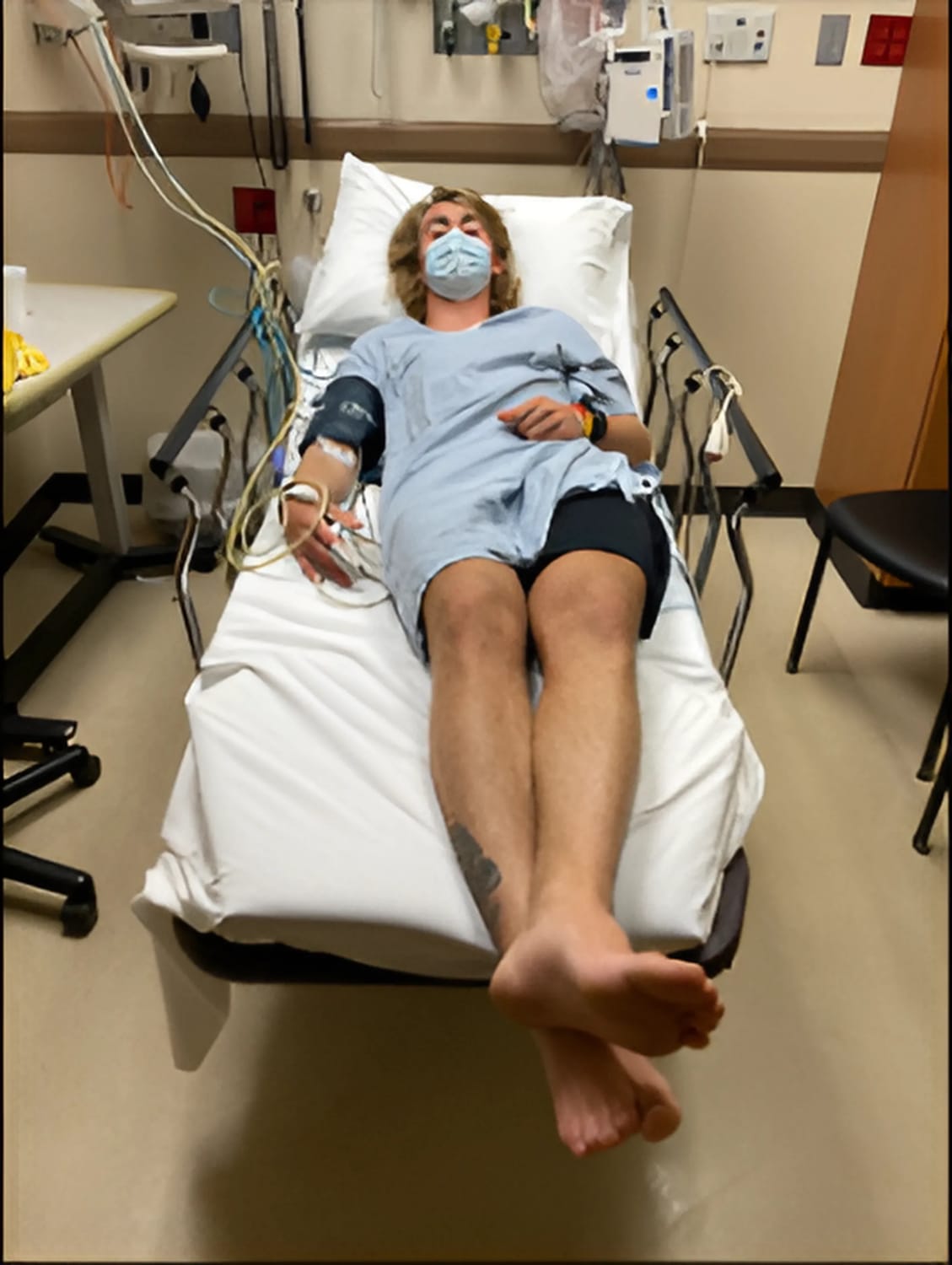
Then, in college, I got Lyme disease. I ended up in the hospital with heart damage and the left side of my face paralyzed. My struggle was physical, and doctors could see it right there on paper.
But I watched the mental side tear down friends and family far more than anything I was going through, and nobody could see it.That's when it clicked for me. The mental side is real, even when nobody can see it, and it can be trained.
So I started TAH. I watched kids coming out of COVID struggle with habits and confidence, and I knew the training had to start earlier.
- Master's in diet and exercise science from Iowa State, with neuroscience research on stress
- Finishing a master's in sport and performance psychology, plus an MBA in business analytics (more data, that's right)
- Founder of Top Athlete Habits (formerly The Athletes Health)
- Athletes trained from elementary school through Division I, plus clubs, school teams, and coaching staffs
Here's a picture of me in the hospital when they finally found out what was wrong, and that it wasn't, in fact, COVID
That's why I wrote this book.
Top Athlete Habits, Volume I
The Parent's Playbook to Build Your Athlete's Mental Game and Performance, Without Extra Time or Becoming Their Car-Ride Coach
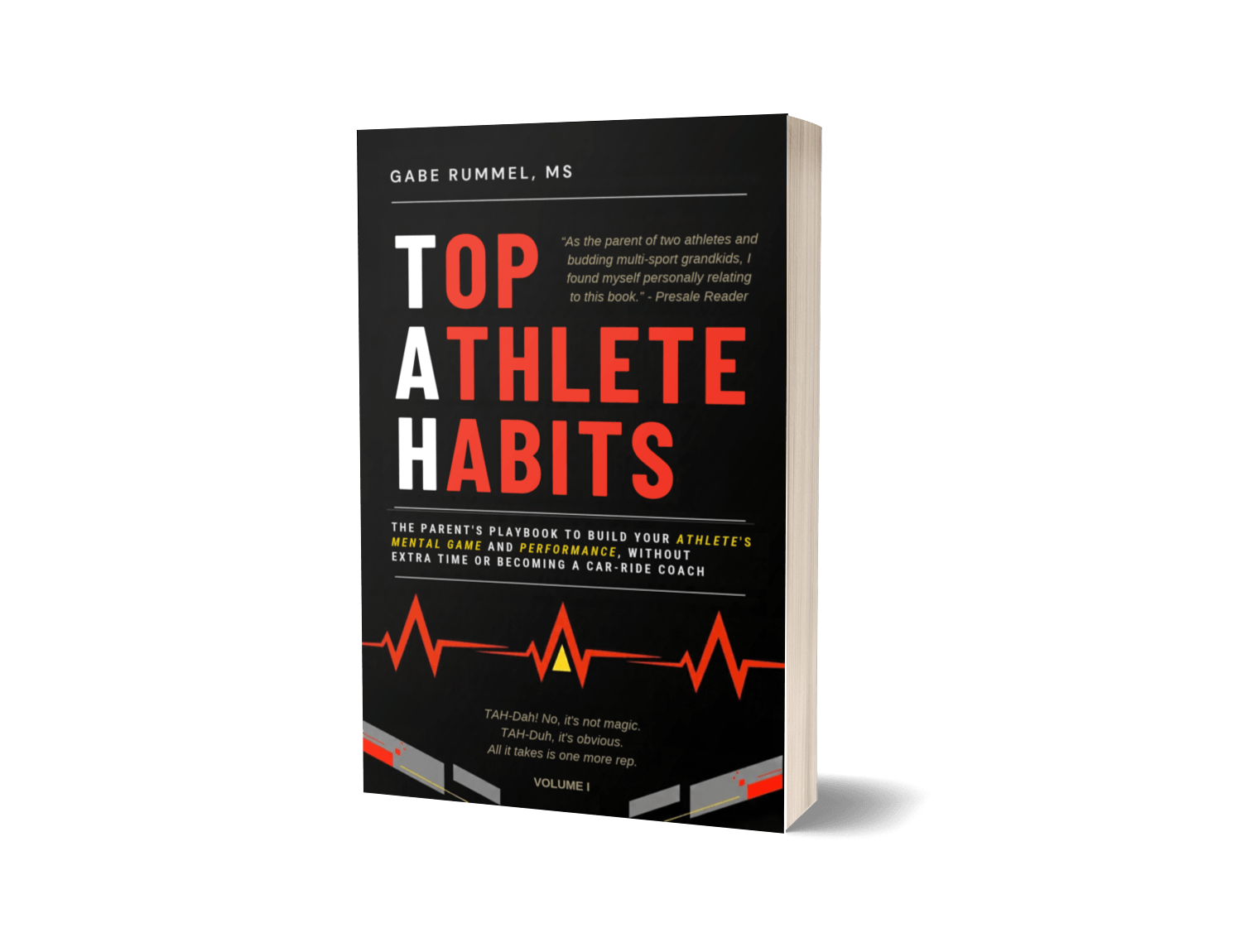
It's everything we've learned over the last three years training the next generation of student-athletes, from one-on-one sessions, team trainings, workshops, and conferences, all in one place. You'll learn the 3 Cs we train in every athlete, plus simple mental exercises you can start at your own dinner table tonight.
The Proof
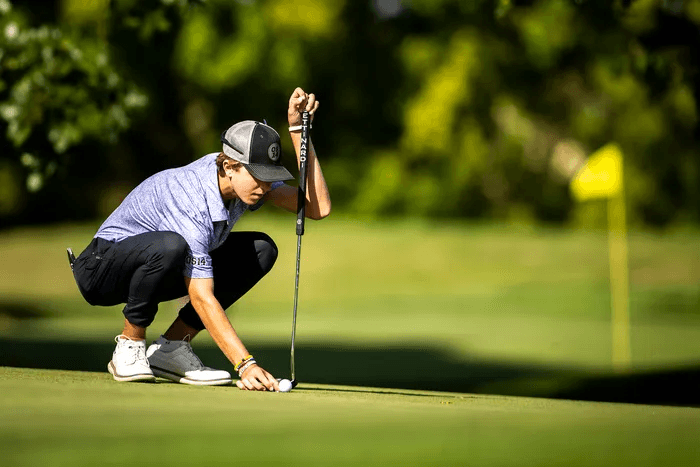
The golfer who cried on the course
He was one of the kindest kids you'll ever meet. After a couple of bad holes, he would lose it, sometimes crying on the course and having no fun at all. His mental strength scores started at 6 or lower, with some down at 2s and 3s.
So we trained his mind like a body:
- A daily chain of mental reps
- A reset between shots, so one bad hole didn't become the whole round
- Self-talk and imagery, stacked week after week
His dad learned the same mental exercises, so he could help right there on the course by showing him, not lecturing him. The line kept climbing. By the end he was touching 8s and 9s, and it carried into football and basketball too.
More results
- A basketball player back from a torn ACL went from anxious and doubting to 9s and 10s, and then the college offers started coming in.
- The freshman volleyball player built a serve routine. She said she felt "so much more free" on the court, and her game stats showed it.
- A young team in one of Iowa's toughest conferences beat five ranked teams, including No. 1, and made state in the seasons after.
- A small-town softball team was down three runs to their biggest rival in the final inning. The coaches ran our mental exercises in the huddle, and they came back to win.


What parents and coaches are saying
★★★★★ "He immediately had my 9-year-old daughter smiling and opening up about her goals. In just one session, he made a big difference going into a competition weekend where she performed better than ever." Johanna, Google Review
★★★★★ "The sessions have really helped our son with his performance in Gridiron Elite. It's so impressive that just a few sessions have already made such an impact. We can see his confidence growing." 7th Grade Parent
★★★★★ "I saw a noticeable growth in our athletes' confidence. Baseball is an extremely mental game, and I truly believe a big reason for our team's success was the work done with Mr. Rummel." Ryan, Google Review
Results vary. Every athlete's path is different.
We Hold Nothing Back
Here's a peek inside:
- Chapter 2: Why your athlete trains their body six days a week while their mind gets zero
- Chapter 3: The "third door" most families don't know exists, and why mental training is not counseling
- Chapter 5: The Pink Elephant Guy, and why telling an athlete "don't miss" backfires
- Chapter 6: VTO: Vision It, Touch It, Own It, a mental exercise to stack proof before the game
- Chapter 7: ADELE, the reset order that keeps one mistake from turning into three
- Chapter 7: The green shoelace, and how one team built a reset everyone could see
- Chapter 8: The Daily 10 Minutes, mental reps built into what your athlete already does
- Chapter 9: How to track the mental game at home with a sticky note
- Chapter 10: Why "just forget about it" doesn't work, and what to say instead
The 3 Cs
Every top athlete builds the same three habits. This book shows you how to train them.
Clarity: where they're going
- Mountain and stepping-stone goals, so they always know the next step
- Why "do your best" loses to specific goals
- A one-minute car check that tells you if your athlete has clarity
- And more…
Confidence: proof they can get there
- Why confidence is built, not born
- Why proof beats pep talks every time
- The signs confidence is leaking, and the words that help or hurt
- And more…
Composure: steady when things go wrong
- Physical, visual, and verbal resets between plays
- Breathing, the fastest reset there is
- How to turn their temperature up or down, so they play in their sweet spot
- And more…
You'll Also Find
- What to say at the dinner table, and when to say nothing at all
- The cooling-off rule for the car ride home
- SLEEP, the habit behind every habit, and why sleep made Stanford players shoot about 9% better (Mah et al., 2011)
- Habit stacking, so mental reps add zero extra time to your day
- How to get buy-in from an athlete who won't listen to you
- Training notes for coaches in every chapter
Free bonuses with your book:
- Bonus 1: A short walkthrough video for every chapter
- Bonus 2: A one-page cheat sheet for every chapter, plus a bonus mental exercise you won't find in the book
"But Gabe..."
"I don't have time for this."
You won't need extra time. Every mental exercise in this book stacks on top of what your family already does, like brushing teeth, the drive to practice, and dinner.
"Is this really worth $5?"
You've already spent hundreds, maybe thousands, on lessons, travel, and gear for the body. This is $5 for the part that decides how all that training shows up on game day. On Amazon, it's $17.99. One reset that saves one bad game pays for it.
"Who is this guy?"
That's a fair question, and I'm not a celebrity. I'm a mental performance trainer who has trained athletes from elementary school through Division I. As you'll read in the book, I've been right there at every level, from the lower levels where I started, right alongside Division I, to the back pocket of the pros and record-setting games at the top.
"My kid won't listen to me."
That's exactly why Chapter 1 exists. You'll learn how to support your athlete without becoming their car-ride coach.
This Book Is Not for Everyone
We're not for everyone, and that's okay. This book is not for:
- Parents looking for an overnight fix. TAH-Dah! No, it's not magic. TAH-Duh, it's obvious.
- Parents who want to coach every play from the stands
- Families who think the mental game will figure itself out
- Athletes who need mental health care. That's a job for a licensed counselor, and we'll always point you there.
FAQ
What ages is this for?
It's written for parents of athletes from elementary school through college, with the most focus on middle and high school.
Does it work for my athlete's sport?
It does. We've used the 3 Cs in basketball, baseball, softball, football, soccer, volleyball, golf, wrestling, swim, track, hockey, dance, gymnastics, and more. The sport changes the setting, but the 3 Cs stay the same.
Is this counseling or therapy?
It isn't. Mental training is training, like the weight room for the mind. If an athlete needs mental health care, we refer them to a licensed professional.
My athlete is already playing well. Is this still for them?
It's still for them. Moving up a level brings more attention, more expectations, and more pressure. Those are good problems, and they still take training to handle well. The pros do it. So should our next generation.
What if my kid won't buy in?
The book shows you how to let your athlete build their own mental exercises. When it's their exercise, they own it.
How fast will we see results?
Your first mental exercise takes one night. Like the weight room, the results build with reps, and the book shows you how to track them.
About the Author
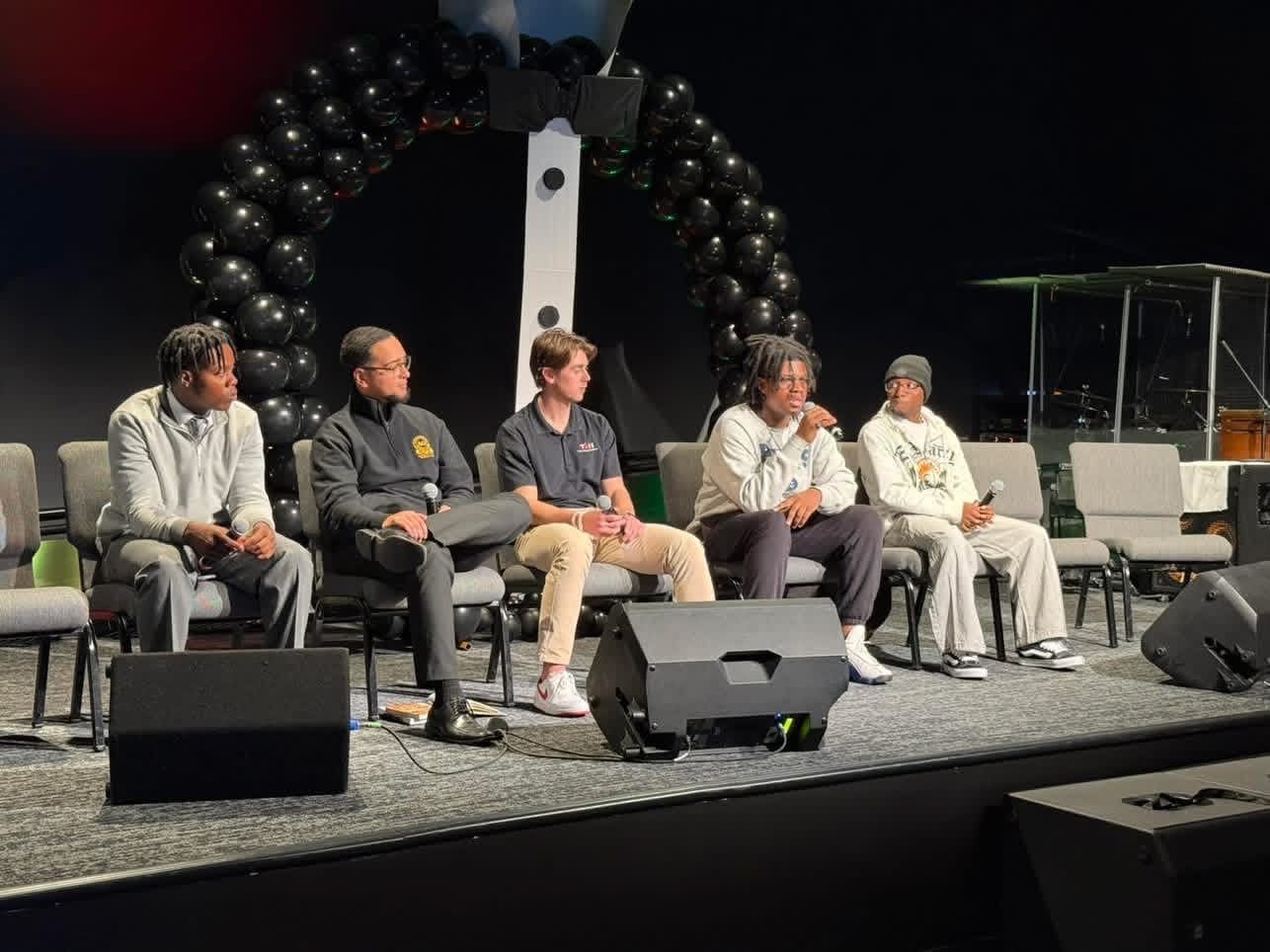
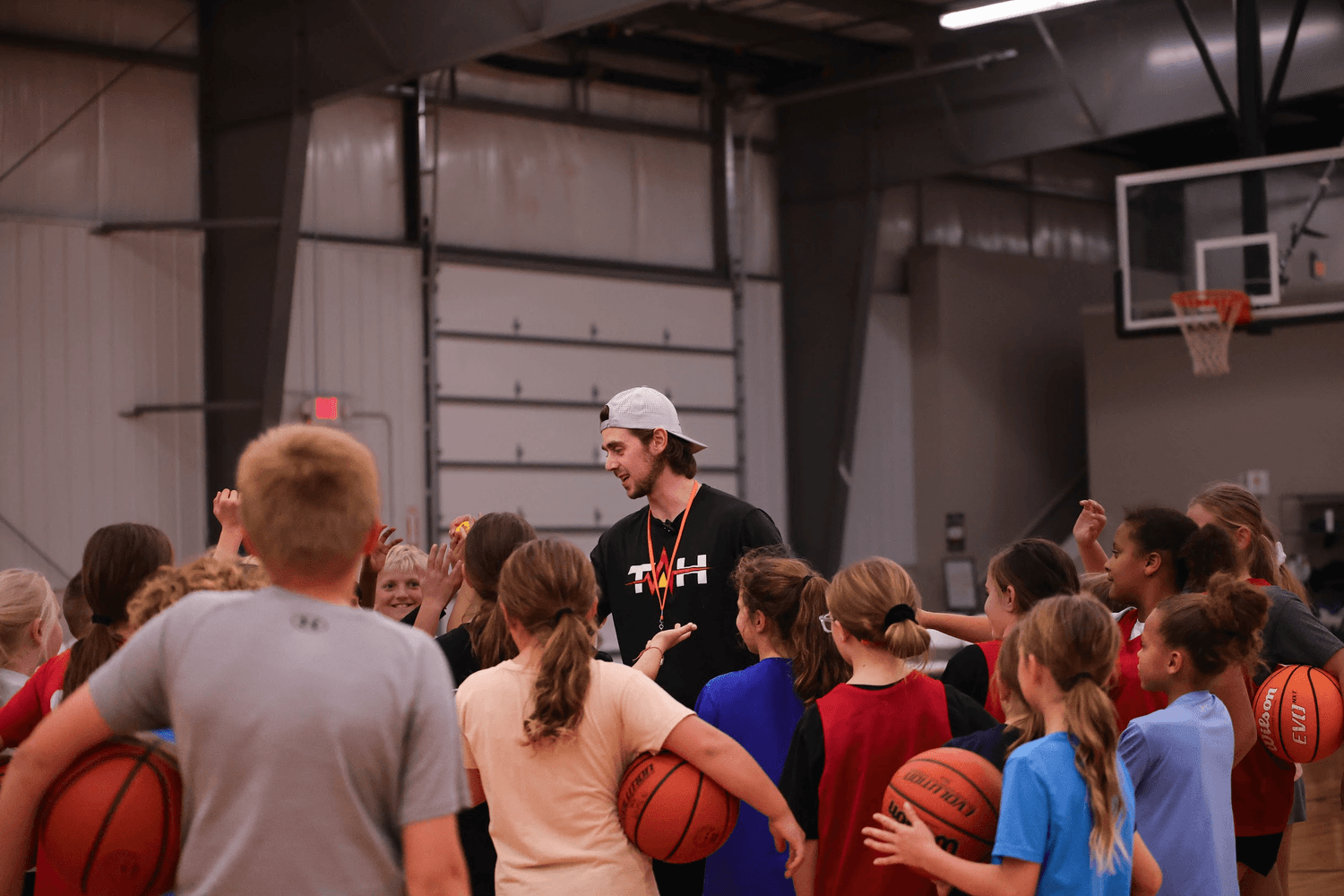
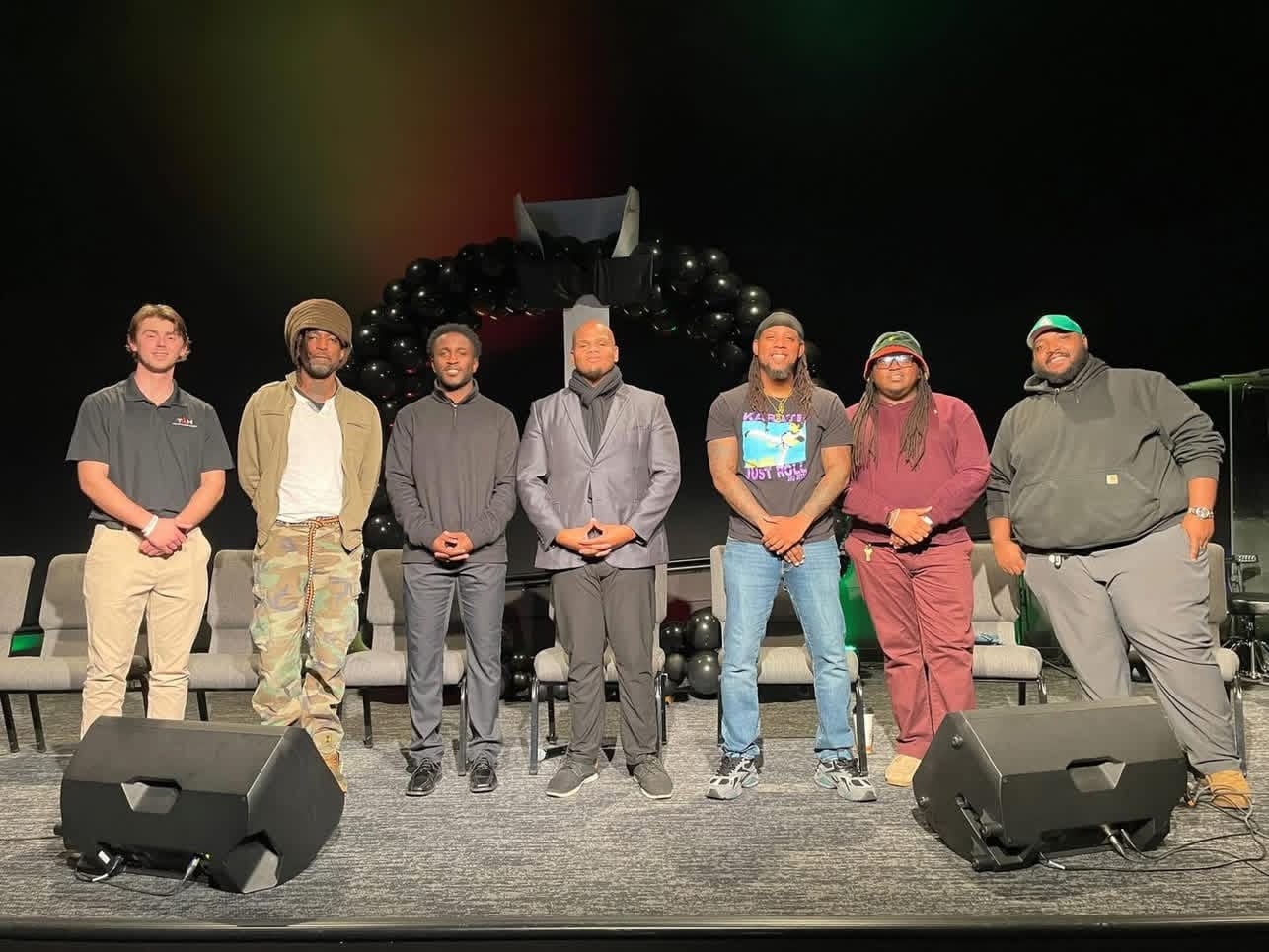
Gabe Rummel, MS, is the founder of Top Athlete Habits (TAH) and a mental performance trainer for athletes, teams, clubs, and college programs.
He earned a master's in diet and exercise science at Iowa State with neuroscience research on stress, and he is finishing a master's in sport and performance psychology, alongside an MBA in business analytics.
He has trained athletes one-on-one from elementary school through Division I, and he has led trainings for clubs, school teams, coaching staffs, and conferences.
When he isn't training athletes, you'll find Gabe with his wife, Angie, a Division I soccer coach. Between the two of them, they see sports from every side.
How Long Will You Wait?
Every season you wait is another season of confidence in practice and tightness in games. The next tryout, the next showcase, and the next big game are already on the calendar.
You can keep hoping it clicks on its own, or you can start training it tonight for less than the cost of a protein smoothie.
Our guarantee: Read the book. If you don't love it within 30 days, email us and we'll refund you within 48 hours, no questions asked.
© 2026 Top Athlete Habits. Mental performance training, not counseling or therapy.